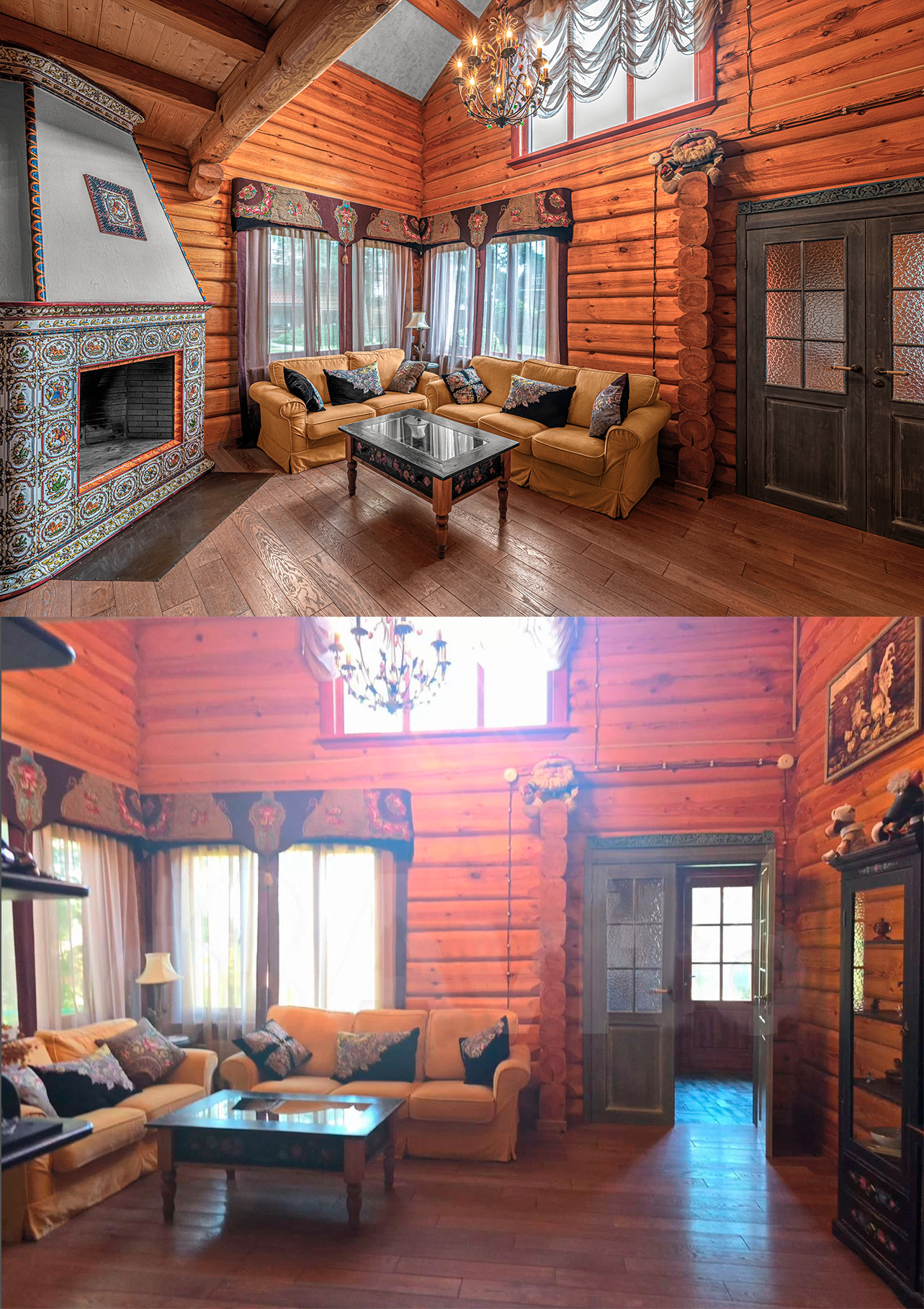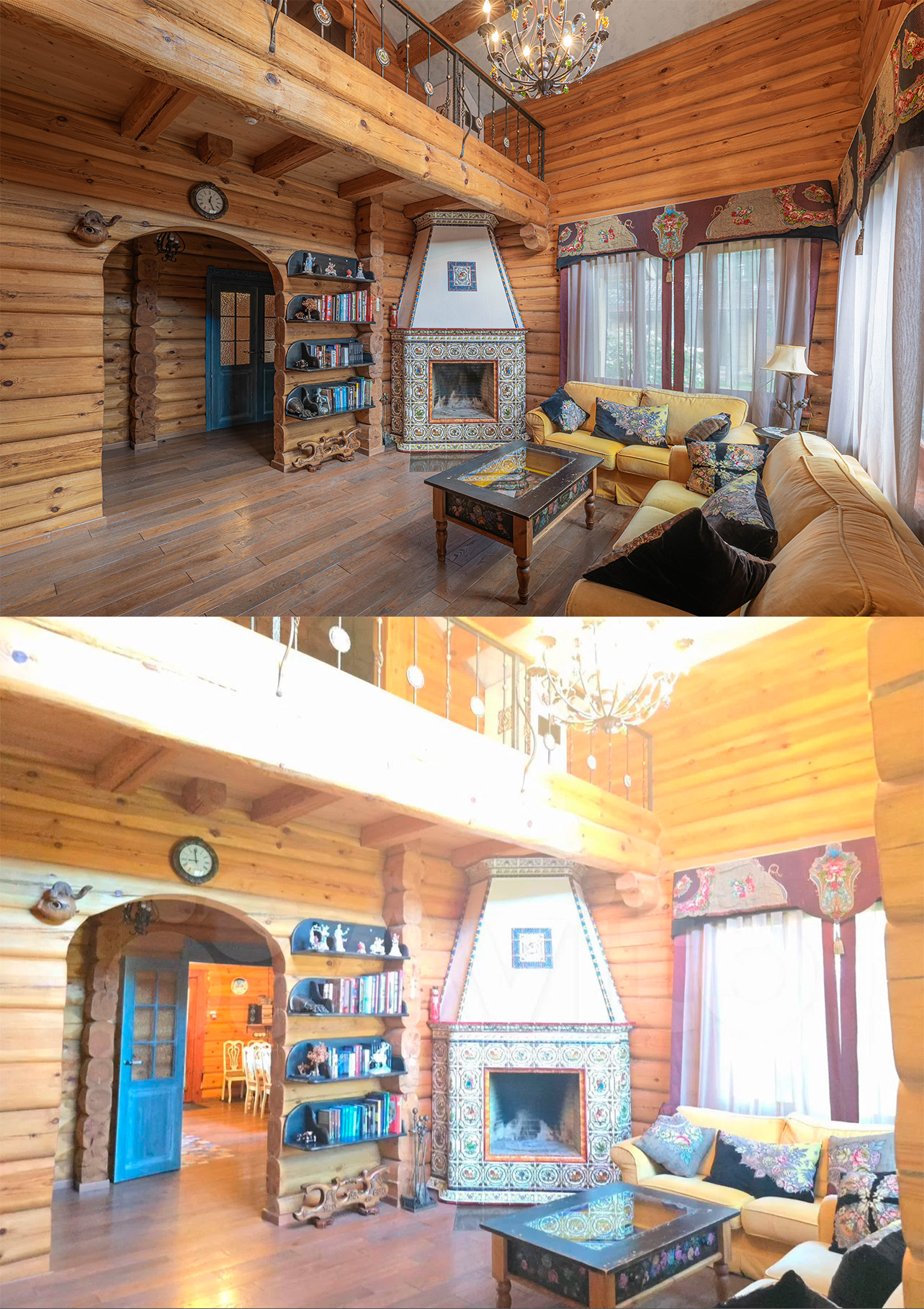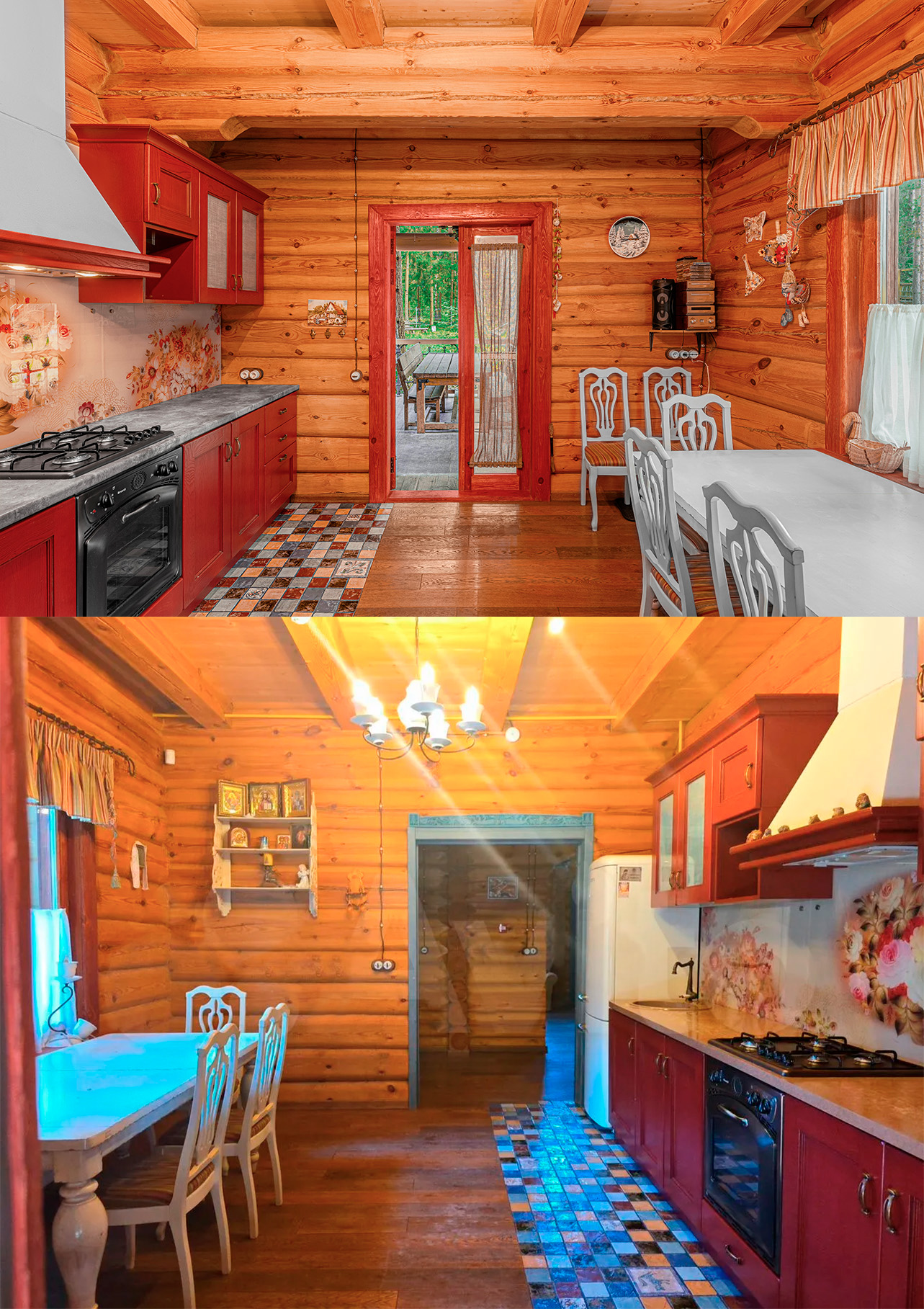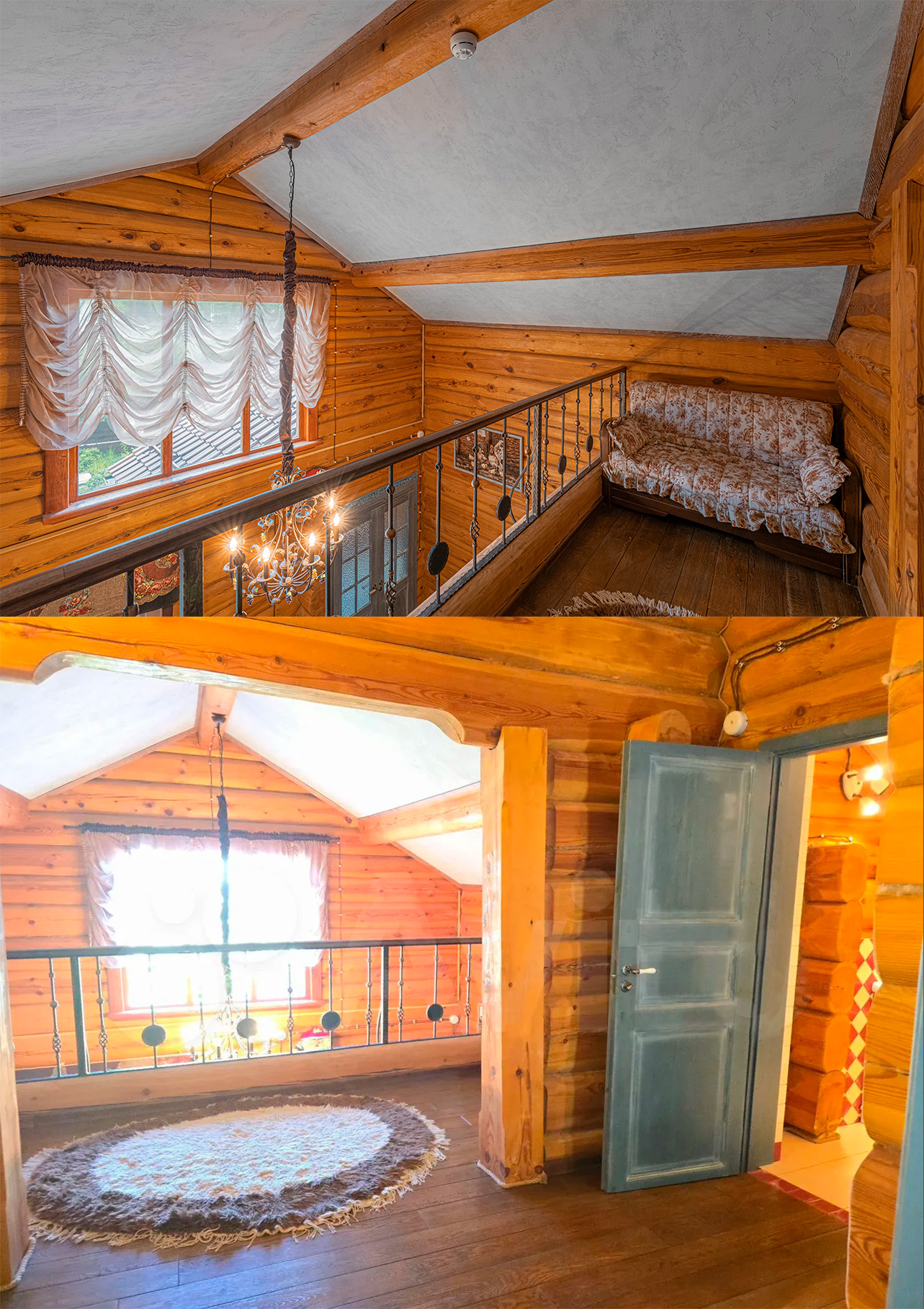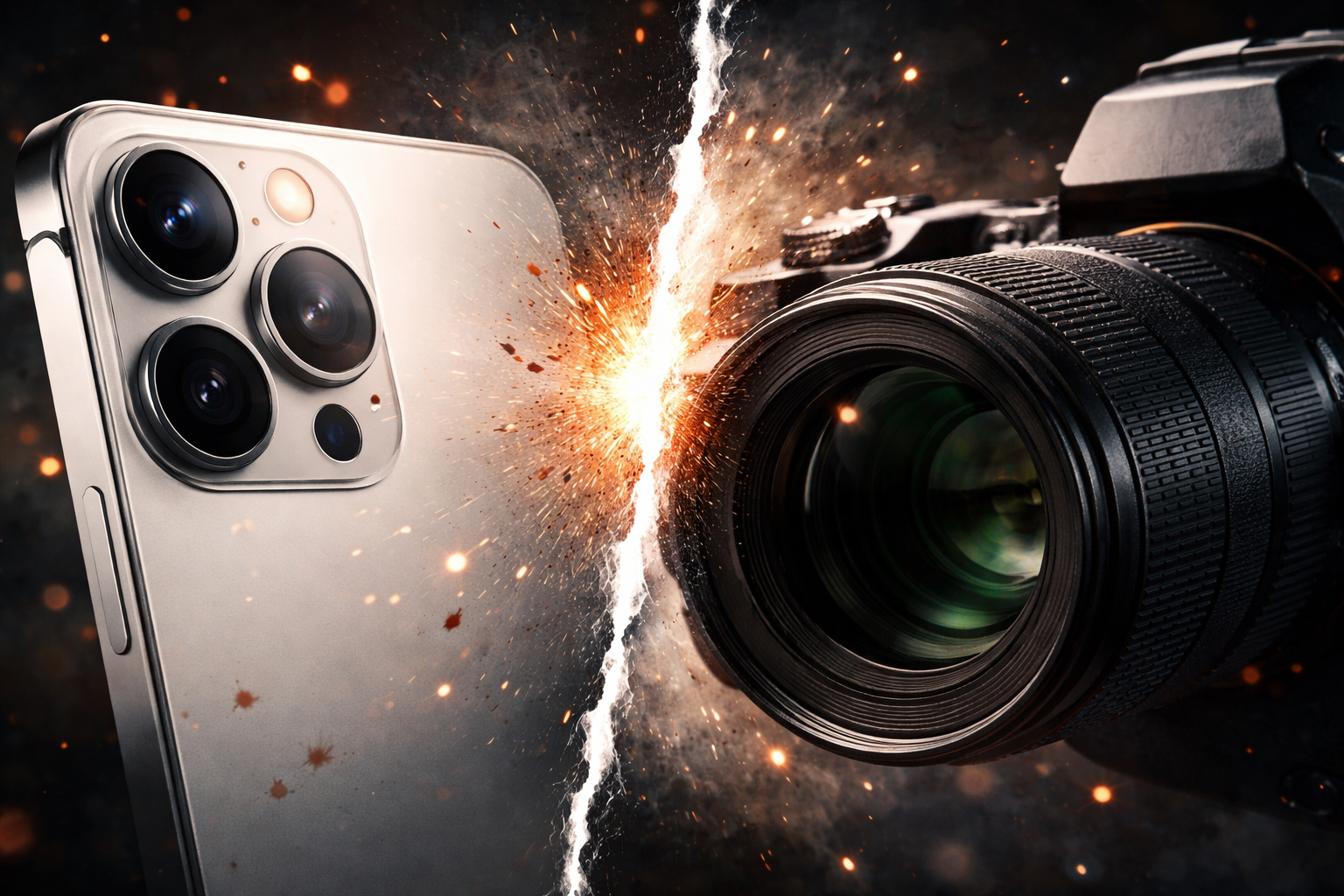
A question that comes up more and more often is: “Why hire a photographer when you have an iPhone?”
Technically, smartphones have come a long way. But in real estate, the real question is not whether a space can be photographed — it is how that space will be perceived.
What’s the Difference?
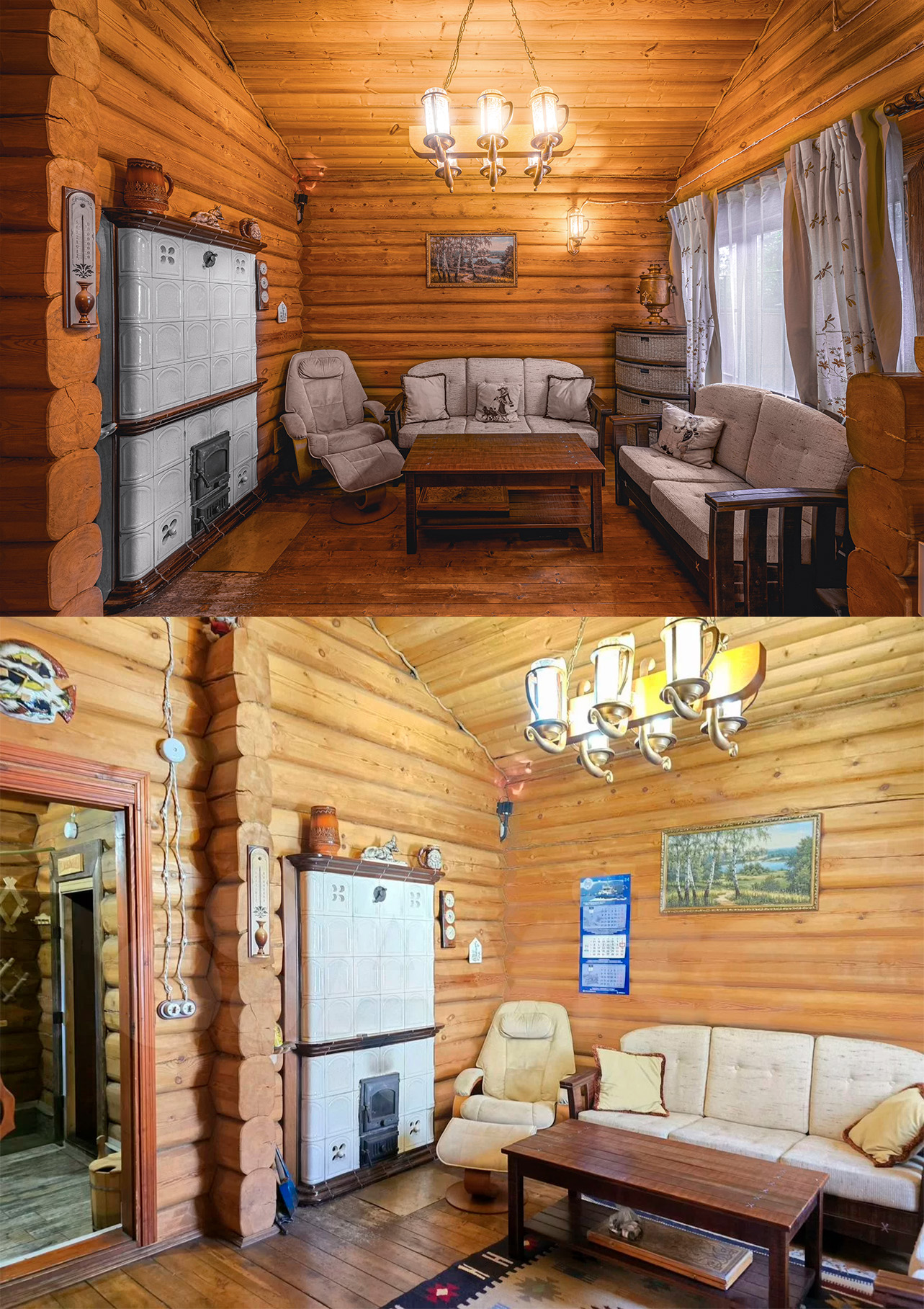
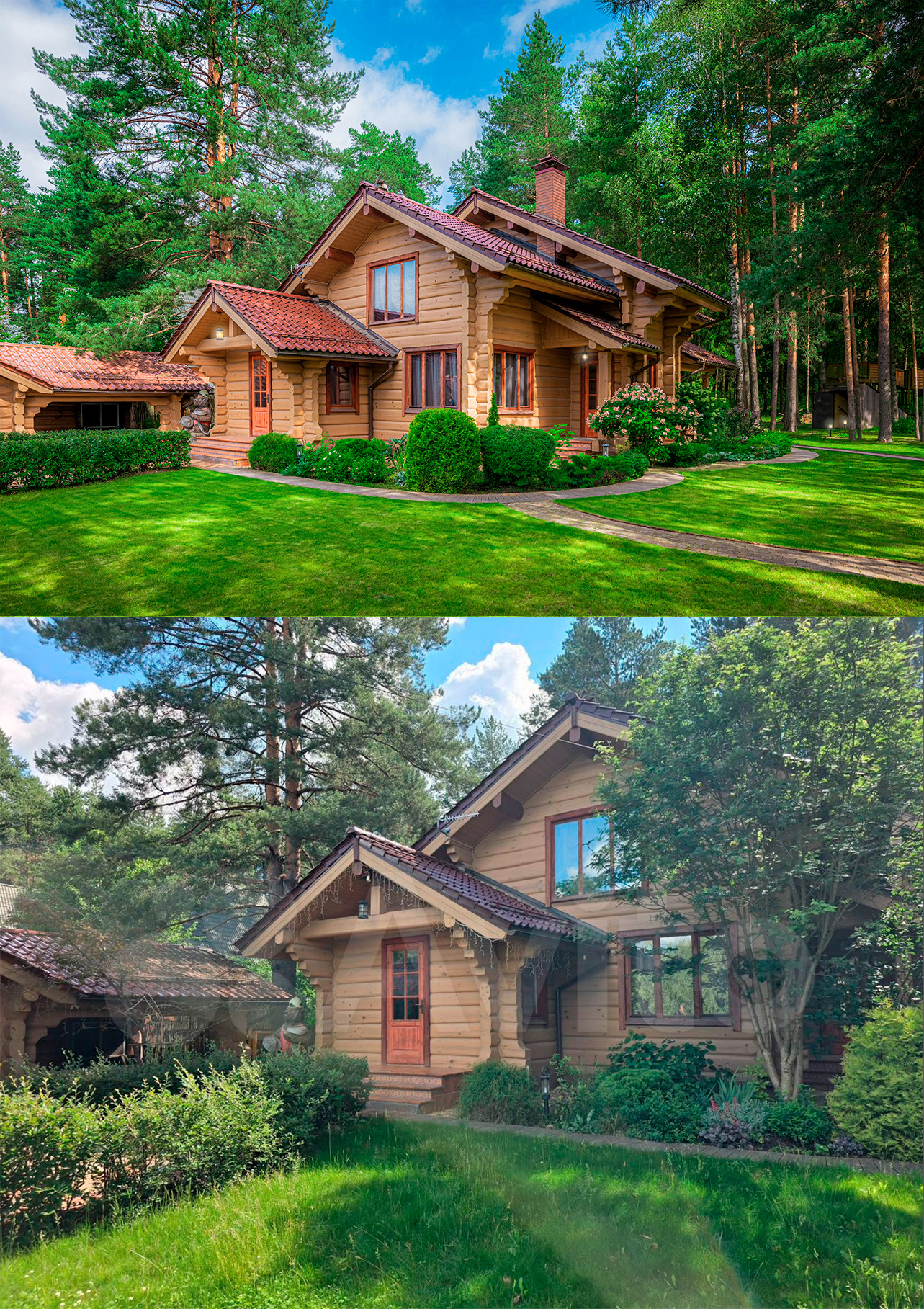
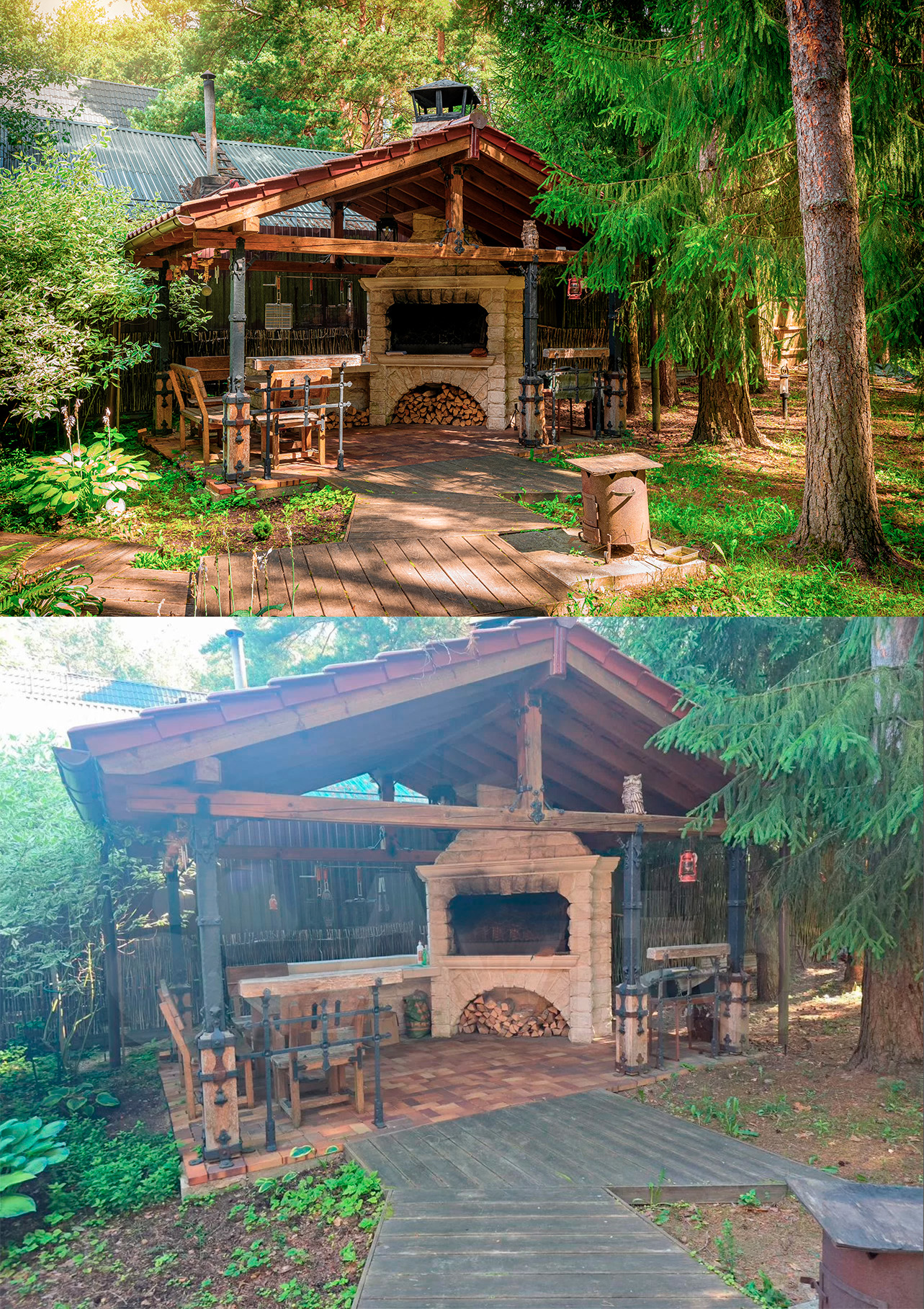
An iPhone simply records the space. Professional photography controls how that space is seen and understood.
The difference appears in the details:
The result is either an ordinary property listing or a presentation that immediately attracts attention.
What Happens in Practice
Despite increasingly advanced automatic image processing, smartphone photography — even in good lighting — will often:
The advantage is speed: the image is ready almost instantly. But the property can easily look simpler and less valuable than it actually is.
Technically, smartphones have come a long way. But in real estate, the real question is not whether a space can be photographed — it is how that space will be perceived.
What’s the Difference?
An iPhone simply records the space. Professional photography controls how that space is seen and understood.
The difference appears in the details:
- sense of depth and volume
- control of light
- accurate geometry
- colour and texture
- the overall feeling of the space
The result is either an ordinary property listing or a presentation that immediately attracts attention.
What Happens in Practice
Despite increasingly advanced automatic image processing, smartphone photography — even in good lighting — will often:
- flatten the space
- distort proportions
- produce uneven or unnatural light
- lose fine details
The advantage is speed: the image is ready almost instantly. But the property can easily look simpler and less valuable than it actually is.
A professional camera works differently.
It does not produce a finished image immediately. Instead, it provides far greater control, flexibility and image data, allowing the photographer to create the strongest possible final result.
The goal is not to make the property look artificially better than reality, but to show its potential as accurately and effectively as possible.
You are not really choosing between a camera and a smartphone.
You are choosing between an ordinary listing and a property presentation designed to make people want to see — and ultimately buy — the property.
It does not produce a finished image immediately. Instead, it provides far greater control, flexibility and image data, allowing the photographer to create the strongest possible final result.
The goal is not to make the property look artificially better than reality, but to show its potential as accurately and effectively as possible.
You are not really choosing between a camera and a smartphone.
You are choosing between an ordinary listing and a property presentation designed to make people want to see — and ultimately buy — the property.